Key Takeaways
- Summer (June–August) is peak: best weather, full kids' programs, highest prices, books out early.
- Late spring and early fall (May, September–October) offer lower rates and fewer crowds.
- Fall brings cattle drives, foliage, and rutting wildlife; spring brings green landscapes and baby animals.
- Some ranches run winter seasons with sleigh rides, skiing, and snow activities instead of trail riding.
Summer (June–August): peak season
Summer is the classic dude ranch season and the busiest by far. Days are warm and long, every program runs at full tilt — including dedicated kids' and teen programs — and you'll get the widest range of rides and activities. It's the safest bet for reliable weather and the full social ranch experience.
The trade-offs are price and availability. Summer commands peak rates, and the best ranches sell out their prime July and August weeks 6–12 months in advance, so book early. Families with school-age kids are largely locked into this window, which is part of why it's so competitive.
Shoulder season (May, September–October): the sweet spot
If you have flexibility, the shoulder months are often the smartest choice. Late spring and early fall typically bring lower rates, far smaller crowds, and a more peaceful ranch, while the weather is usually still very pleasant — just with a wider day-to-night temperature swing, so pack layers.
Each shoulder window has its own appeal. May and early June showcase green hillsides, rushing rivers, wildflowers, and newborn ranch animals. September and October bring crisp air, golden aspens, and active wildlife. Note that some ranches scale back their children's programs outside peak summer, so confirm what's running if you're traveling with kids.
Fall: cattle drives and foliage
Autumn is a favorite among returning guests and riders who want a more authentic working experience. Many working and guest ranches schedule cattle drives and roundups in the fall as they move herds for the season, giving capable riders a chance to participate in real ranch work.
It's also prime time for scenery and wildlife — fall foliage peaks, elk bugle during the rut, and the cooler temperatures make for comfortable long rides. Days get shorter, though, and high-elevation ranches can see early snow, so check the calendar and pack warm layers.
Winter ranches: a different experience
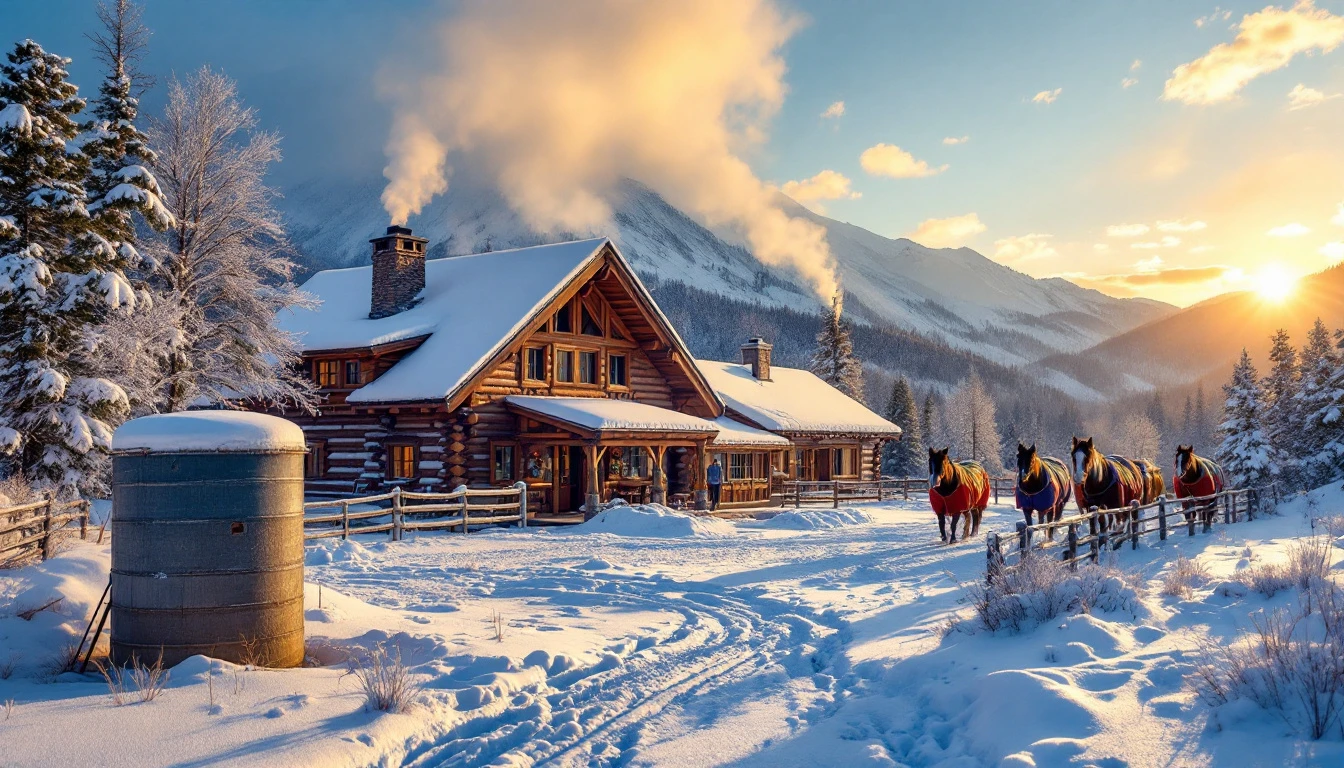
A subset of ranches stay open through winter and pivot from trail riding to snow country. Instead of all-day rides you might find cross-country skiing, snowshoeing, sleigh rides, sledding, ice fishing, and cozy evenings by the fire — sometimes with limited winter horseback riding in the snow.
Winter ranch stays are ideal for travelers seeking a quiet, scenic, lodge-style escape rather than an intensive riding week. They pair especially well with the holidays. If riding is your main goal, though, a summer or shoulder-season trip will serve you better.
How to choose your season
- Want the most reliable weather and full kids' programs? Go in summer — and book early.
- Want lower prices and fewer people? Target May, September, or October.
- Want real ranch work and fall color? Look at September–October cattle-drive weeks.
- Want snow activities over riding? Find a ranch with a dedicated winter season.